PANELS
When the Past is Present:
How Trauma Shapes Our Everyday Reality
Location: Aula UMF, Gheorghe Marinescu Street Memory. Biology. Behavior. How does the past inhabit the present? Trauma once seemed confined to fleeting memories or psychological aftermath, but today scientific exploration reveals that it profoundly structures our everyday reality, influencing everything from neurological pathways to generational health. Yet, beneath clinical diagnostics and behavioral patterns, recovery remains a deeply human journey driven by resilience, empathy, and clinical dedication. What happens when neurological research meets the enduring impact of adversity? How are clinical psychiatry, neurorehabilitation, and neuroscientific discoveries reshaping the clinician's toolkit, and what is required to bridge the gap between complex brain science and daily practice? When the Past is Present: How Trauma Shapes Our Everyday Reality brings together distinguished experts from psychiatry, neurology, and basic neuroscience in an open discussion regarding psychological trauma, neurobiological transformation, and the future of mental healthcare. For 90 minutes, participants will explore how trauma impacts neurological and psychological systems, looking beyond terminology to understand the practical mechanisms of healing and resilience. WHO will we be talking with? Dr. Akeem Sule – The perspective of general adult psychiatry, mental health advocacy, and medical education. Providing insight into the intersection of clinical practice and public outreach, Dr. Sule examines general adult and clinical psychiatry, demonstrating how media-based psychiatry and initiatives like Hip-Hop Psych advance mental health advocacy and community education. He bridges clinical theory and patient communication, illustrating how creative platforms translate into actionable psychological support. Dr. Livia Livinț-Popa – The perspective of clinical neurology, neurorehabilitation, and neurodiagnostics. Operating at the frontier of stroke, post-stroke cognitive impairment, and neurodegenerative disorders, Dr. Livinț-Popa analyzes complex neurological data to tailor therapeutic strategies for individual patients. She addresses how neurodiagnostics, electrophysiology, and advanced brain stimulation techniques advance neurological recovery and clinical patient care. Dr. Ali Jawaid – The perspective of clinical and basic neuroscience in neuropsychiatric disorders. Analyzing complex immunometabolic mechanisms where disease susceptibility spans across lifetimes and generations, Dr. Jawaid offers a practical assessment of how transgenerational trauma and novel technologies modify neuroscience workflows. He shares insights from scientific research, discussing how technological advancements like VR-based cognitive enhancement training assist in identifying clinical findings while maintaining patient-centered care. An Open Floor for Shared Discovery. Forget stiff academic lectures and rehearsed talking points. This is an interactive, shared exploration fueled by professional insights, diverse viewpoints, unscripted questions, and direct dialogue with everyone in the room. Multiple specialized vantage points converge around one vital inquiry: How can we help patients heal from what they carry when the past refuses to stay behind? Because mapping the biology of trauma is only the first step—true recovery unfolds where rigorous science meets genuine human connection. Speakers:
Akeem Sule, MD
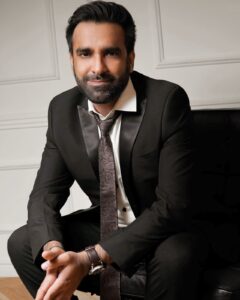
Ali Jawaid, MD
Livia Livinț-Popa, MD
Beyond the White Coat:
What Does It Really Take to Become a Doctor?
Location: Aula UMF, Gheorghe Marinescu Street
Faculty. Residency. Practice. What changes along the way?
Medical school gives you the knowledge. Residency confronts you with reality. And medical practice teaches you that some of the most important lessons cannot be found in textbooks. But what happens between the doctor you dreamed of becoming and the doctor you end up being?
Beyond the White Coat brings together physicians from different generations and specialties in an open conversation about expectations and reality, professional choices, challenges, opportunities, and the people who change our path.
WHO will we be talking with?
Prof. Dr. Ovidiu Pop and Dr. Alon Vigdorovits – The perspective of anatomical pathology, research, and the academic journey. The mentor-disciple relationship brings a personal dimension to the discussion about curiosity, professional development, and the opportunities that arise when someone gives you trust and guidance. Dr. Alon Vigdorovits is involved in research and is a university assistant at the Faculty of Medicine in Oradea.
Assoc. Prof. Dr. Claudia Burz and Dr. Paul Milea – The perspective of oncology and residency training. Two generations working together who can talk about the difference between the medicine that is learned and the medicine that is practiced, about the skills that truly matter, and about the role of the mentor in the development of a young doctor. Dr. Paul Milea is a resident physician in oncology at IOCN (The "Prof. Dr. Ion Chiricuță" Oncology Institute).
Dr. Vlad Gâta – The perspective of the young surgeon, already professionally established, who can speak about the transition from residency to the responsibility of independent medical decisions, the challenges of the early career, and what you learn when theory meets reality in the operating room. Dr. Vlad Gâta is a surgeon at IOCN and a university assistant at UMF Cluj.
WHAT will we be talking about?
For 90 minutes, we will explore together questions that every medical student asks, but for which they do not always find answers in university.
What do you discover only after you start practicing medicine?
What skills become indispensable?
What would you have liked to know back in your student days?
How do you choose your professional path, and how much can a mentor, a research project, or an international experience influence your future?
We will discuss research and professional development opportunities, the relationship between generations, the challenges of a resident's life, and the transition to independent medical practice.
And we will look ahead:
What will medicine look like in 5-10 years?
How will diagnostics, laboratories, and the relationship between specialties transform?
What role will artificial intelligence and new technologies play, and what skills will the doctors of the future need to develop?
Not JUST a panel. A CONVERSATION where YOU also have a say.
No rigid speeches and no pre-established answers. Featuring personal experiences, different perspectives, direct questions, and dialogue with the audience.
5 guests, 4 professional perspectives, 3 university centers, 2 mentor-disciple relationships, and 1 single essential question:
What kind of doctor do you want to become, and what can you do, starting today, to get there?
Because medicine is learned in university. But you learn to be a doctor your entire life.
Speakers:
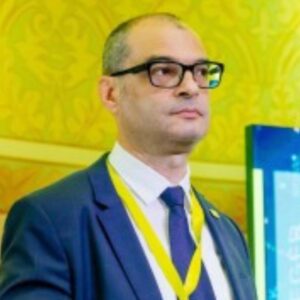
Ovidiu Pop, MD
Alon Vigdorovits, MD
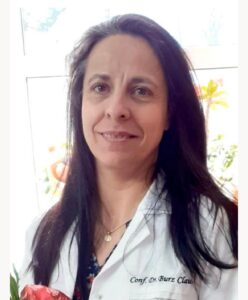
Claudia Burz, MD
Milea Paul Alexandru, MD
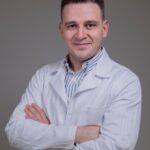
Vlad Gâta, MD
The AI touch in the medical world
Location: Aula UMF, Gheorghe Marinescu Street Algorithms. Data. Practice. Where is technology taking medicine? Artificial intelligence used to sound like distant science fiction, but today it is crashing into the medical world faster than ever, promising to revolutionize everything from early diagnostics to personalized treatments. Yet, beneath all the tech hype, flashy algorithms, and glowing screens, medicine remains a deeply human endeavor driven by intuition, empathy, and relentless clinical dedication. What happens when raw computing power meets the unpredictable, complex reality of the human body? How are smart software, machine learning models, and massive genomic databases reshaping the doctor's toolkit, and what does it actually take to bridge the gap between computer science and daily clinical practice? The AI touch in the medical world brings together brilliant minds from biomedical engineering, genetics, and clinical radiology in a captivating, open conversation about digital transformation, the reality behind machine learning, and the future of healthcare. For 90 minutes, we will explore how technology is transforming the way we diagnose and treat patients, looking past the buzzwords to understand the real-world impact of AI in medicine. WHO will we be talking with? Dr. Angela Lungu – The perspective of biomedical engineering, research, and computational modeling. Bringing a unique angle on how technology intersects with biology, Dr. Lungu dives into cardiovascular and pulmonary hemodynamics, exploring how machine learning algorithms and biomedical software are pushing the boundaries of medical imaging and physiological research. She bridges the gap between engineering theory and clinical application, showing how code and data are turning into powerful medical insights. Dr. Cătană Andreea – The perspective of advanced clinical genetics and precision medicine. Working at the absolute frontier of oncogenetics, hereditary cancer, and molecular signatures, Dr. Cătană decodes mountains of complex genetic data to tailor therapies to individual patients. She will talk about how data-driven genomic insights, nutrigenetics, and AI-powered tools are supercharging the future of personalized medicine and reshaping how we look at longevity and clinical genetics. Dr. Roxana Pintican – The perspective of the frontline clinician and breast radiologist. Spending her days staring at complex MRI and CT scans where every single pixel matters, Dr. Pintican brings a hands-on look at how AI-assisted diagnostics and image-guided biopsies are changing the daily reality of radiology. She shares what it is like on the front lines of diagnostics, discussing how technology can catch what the human eye might miss while keeping patient care at the very center of medicine. Not JUST a panel. A CONVERSATION where YOU also have a say. Without rigid presentations or predetermined answers, this session features professional experiences, varied perspectives, direct inquiries, and open audience dialogue. 3 guests, 3 professional perspectives, and 1 single essential question: How will healthcare professionals integrate technological advancement while preserving clinical empathy? Because technology provides instruments, but clinical application defines the future of medicine Speakers:
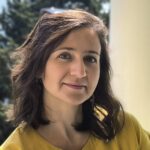
Angela Lungu, MD
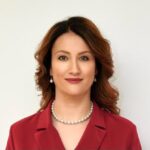
Andreea Catana, MD
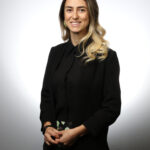
Roxana Pintican, MD
Four Specialties. Four Paths.
One Shared Calling: Medicine
Location: Aula UMF, Gheorghe Marinescu Street
Anesthesia, Psychiatry, ENT, Radiology. Different roads, one unified commitment.
Medicine is rarely a single monolithic path. Instead, it branches out into a vast web of distinct specialties, each requiring its own unique mindset, technical mastery, and frontline resilience. What happens when four vastly different medical disciplines collide under one roof? How do specialists from high-stakes emergency rooms, intricate surgical fields, the complexities of the human mind, and diagnostic imaging navigate their daily realities, and what unites them all beneath a single professional calling?
Four Specialties. Four Paths. One Shared Calling: Medicine brings together four distinct practitioners in an engaging conversation about the realities of modern clinical practice, the unique burdens and rewards of their chosen fields, and the shared passion that drives them forward. For 90 minutes, we will explore what it truly means to wear different medical coats while answering the exact same call to heal.
WHO will we be talking with?
Dr. Bolcaș Robert – Representing Anesthesia & Intensive Care at the Cluj County Emergency Hospital. Working where seconds matter and lives hang in the balance, Dr. Bolcaș brings a high-stakes perspective from the edge of life, making the critical difference from the operating room to the front lines of emergency medicine.
Dr. Dodu Suzana Maria – Representing Psychiatry at the Cluj County Emergency Hospital. Working with the complex intersection of hardware and software that is the human brain, Dr. Dodu shares insights into untangling the mind's code, navigating its glitches, and helping patients find their way back to themselves.
Dr. Șirlincan Horia-Iulius – Representing ENT (Ear, Nose, and Throat) at the CFR Clinical Hospital, Cluj-Napoca. Bridging medicine and surgery, Dr. Șirlincan explores the intricacies of diagnosing and treating conditions affecting breathing, hearing, balance, and swallowing, highlighting how precise surgical procedures can directly restore vital human functions.
Dr. Simionaș Andrei-Florin – Representing Radiology at the "Leon Daniello" Clinical Hospital of Pulmonology, Cluj-Napoca. Operating as a diagnostic detective in the shadows, Dr. Simionaș offers a unique look at how radiology serves as the invisible backbone of an invincible clinical team, supporting colleagues on the chase and uncovering vital answers.
An Open Floor for Shared Discovery
Forget stiff academic lectures and rehearsed talking points. This is an interactive, shared exploration fueled by professional insights, diverse viewpoints, unscripted questions, and direct dialogue with everyone in the room.
Four specialized vantage points converge around one vital inquiry:
How do different medical paths shape the way we view healing, and what keeps our shared dedication alive?
Because while our specialties may differ, the heart of medicine beats as one.
Speakers:
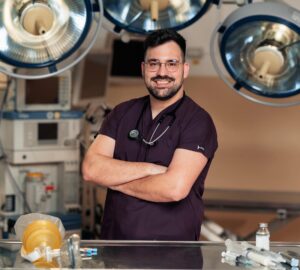
Bolcaș Robert, MD
Dodu Suzana Maria, MD
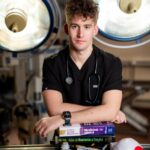
Șirlincan Horia-Iulius, MD